Natural Rhythm
Your body follows a natural cycle of wakefulness and rest, commonly known as the circadian rhythm, which influences your energy patterns throughout the day.
Explore the connection between quality rest and how you feel throughout the day. This content is for informational purposes only and does not replace professional advice.
Learn More
Rest is a fundamental part of daily life that may influence how you experience your day. Individual experiences can vary.
Your body follows a natural cycle of wakefulness and rest, commonly known as the circadian rhythm, which influences your energy patterns throughout the day.
The amount and timing of sleep can affect how alert or fatigued you feel during different parts of the day, influencing your daily routine.
During sleep, your body goes through various processes associated with physical and mental restoration, which are part of your natural biological functions.
A closer look at the different stages your body moves through while you sleep.
Sleep generally consists of multiple stages that cycle throughout the night. These include lighter stages where you may drift in and out of sleep, and deeper stages associated with more restorative processes.
Each stage plays a different role in the overall sleep process. Lighter stages serve as transitions, while deeper stages are often associated with physical rest. REM sleep, which typically includes dreaming, is linked to cognitive processes.
Understanding these stages can help you become more aware of your own sleep patterns and how they may relate to how you feel during the day.
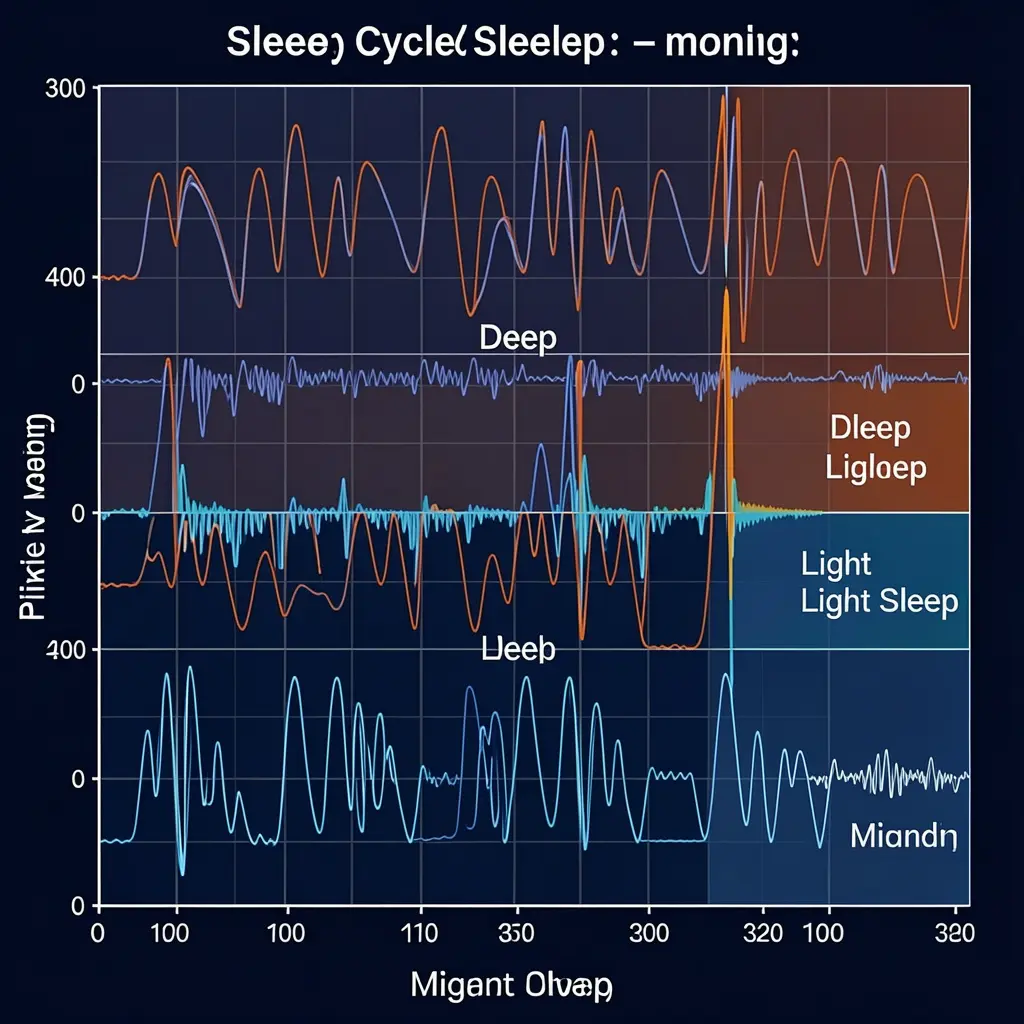
Your sleep follows a structured pattern that repeats several times each night.
The initial stages where your body begins to relax and your heart rate slows. You may be easily awakened during these periods.
Stages associated with slower brain activity and more significant physical relaxation. These periods are often considered the most restorative.
A stage characterized by increased brain activity and dreaming. REM sleep is generally associated with cognitive processes and memory.
Examples of everyday situations that can be associated with limited sleep. These points are informational, not diagnostic.
Feeling consistently tired during the day, even after what seems like sufficient time in bed.
Noticing that it takes more effort than usual to focus on tasks or follow conversations.
Experiencing shifts in your mood that seem connected to how well or how long you slept.
Finding yourself depending more heavily on caffeine or other stimulants to get through the day.
Taking a long time to feel alert after waking up, often needing extended time to begin your day.
Going to bed and waking up at significantly different times from day to day.
Areas of daily life that are commonly associated with sufficient rest, without guaranteed outcomes.
Adequate sleep is commonly associated with feeling more alert and attentive during waking hours, which may support daily activities.
Sleep is generally linked to cognitive processes such as attention, memory consolidation, and decision-making throughout the day.
Getting enough rest is often associated with a more stable mood and a greater capacity to manage the emotional demands of daily life.
Rest plays a role in physical recovery and is commonly associated with readiness for physical activities and daily movement.
Feeling well-rested is often connected to a greater sense of motivation and willingness to engage in daily responsibilities and interests.
Adequate sleep patterns are associated with more stable energy levels throughout the day, rather than experiencing significant highs and lows.
Considerations for setting up a sleep space that supports your rest.
The environment where you sleep can influence the quality of your rest. Factors such as light, noise, and temperature are commonly discussed in relation to sleep quality.
Many people find it helpful to keep their sleeping area cool, dark, and quiet. Using curtains to block light and keeping electronic devices away from the bed are commonly mentioned approaches.
Choosing comfortable bedding and maintaining a clean, organized sleep space are additional considerations that some people find supportive of their rest routine.

Simple approaches that many people find helpful for their sleep routines.
Going to bed and waking up at similar times each day may help support your natural circadian rhythm.
Creating a relaxing pre-sleep routine, such as reading or gentle stretching, can signal to your body that it is time to rest.
Reducing exposure to screens before bed is a commonly suggested approach, as the light from devices may affect your readiness to sleep.
Being mindful of caffeine and heavy meals close to bedtime is often mentioned as a factor that may influence sleep quality.
Spending time in natural light during the day is associated with supporting your body's internal clock and sleep-wake cycle.
Ensuring your bedroom is set up for rest, with comfortable bedding and a suitable temperature, may support better sleep.
Some general observations about the relationship between what you consume and how you rest.
Caffeine is a stimulant that may affect your ability to fall asleep. Being aware of when you consume it during the day is commonly suggested.
Eating large meals close to bedtime may affect your comfort during sleep. Many people find lighter evening meals more compatible with rest.
Staying hydrated is important, but balancing fluid intake in the evening may help reduce disruptions during the night.
General observations about how daily physical activity may relate to your sleep patterns.
Engaging in regular physical activity during the day is commonly associated with better sleep quality. Even moderate activities like walking may be supportive.
Some people find that vigorous activity close to bedtime may make it harder to wind down. Morning or afternoon activity is often preferred.
Light stretching or gentle yoga in the evening is an approach some people use as part of their wind-down routine before sleep.
Paying attention to how different types and amounts of activity affect your own sleep can help you find a pattern that works for you.
Common questions about sleep and energy.
Many public health guidelines suggest that adults often need between 7 and 9 hours of sleep per night. Individual needs can vary based on age, activity level, and personal factors. This information is educational and not medical advice.
Napping may affect nighttime sleep for some people, particularly if naps are long or taken late in the afternoon. Short naps earlier in the day are generally considered less likely to interfere with your nighttime rest.
Many sources suggest that the blue light emitted by screens may affect the production of melatonin, a hormone associated with sleep readiness. Reducing screen time before bed is a commonly discussed approach, though individual experiences may vary.
Brief awakenings during the night are considered a normal part of sleep. Most people experience them without fully remembering them. If nighttime awakenings are frequent or prolonged, it may be worth discussing with a qualified professional.
Caffeine is a stimulant that can remain in your system for several hours. Consuming caffeine later in the day may make it more difficult to fall asleep or may affect sleep quality for some individuals. Sensitivity to caffeine varies from person to person.
Have a question or feedback? We are glad to hear from you and will review messages as soon as practical.